Our First Year With Dairy Cows: Building, Calving & Real Lessons
A Dream Years in the Making
For years we dreamed about what it would be like to live on a working homestead. We would start every morning, in our suburban home, watching YouTube videos about raising cattle and other livestock; learning about soil composition and rotational grazing, gardening and preserving food, amidst a million other things. We would sip our raw milk purchased from a local farmer, consume as much information about this life we sought after and then head into work each day.
Our evenings were spend scouring Zillow for the perfect piece of property and researching different breeds of cows, sheep, goats, pigs- you name it.
We knew exactly what we wanted. We could see it so clearly.
Some day.
Then the day came. We found the property and made the move.
Looking back now, our first year with dairy cows truly began long before we ever loaded a trailer — it started in the quiet months of preparation, research, and learning what stewardship on a working homestead really required.
The Preparation Phase Before Buying Our First Livestock
It was an entire year after we purchased our property before we bought our first livestock. We spent months preparing. The previous owners had, unfortunately, not taken care of the property. As we wandered around picking up trash we had a mantra “This is why we could afford this“.
It definitely wasn’t what we envisioned when we started out; Picking up broken glass, discarded folding tables, children’s toys, machetes, partially disintegrated feed bags, did I mention broken glass- out of our pastures. Even now, two years later, after a good rain we can find electric fence that had been swallowed up by the earth that begins to emerge.
All the while we kept an eye online. Knowing exactly what we were looking for. The first animals that popped up on our list were a momma and baby Dexter cattle. They were about 10 hours away in GA and were perfect.
The owners were moving and had to dismantle their herd and were selling this pair. They mentions that while she had been milked previously, it had been awhile because she was a bit tempramental but felt confident that will time and patience she would be a great dairy cow.
Why We Chose Dexter Cattle for Our Homestead
- Dual Purpose. Dexter’s are known for delivering both great dairy and beef.
- Small Stature. This makes them a great choice for a small homestead that doesn’t have lots of acreage for pastures.
- Friendly and Docile. Great for beginner homesteaders.
- Not Huge Dairy Producers. With it being just Nick and I, we didn’t need, nor want, a true dairy breed that would produce 10+ gallons of milk a day. We just wanted to enough for us to make cheeses, yogurt, ice cream and enjoy a nice fresh glass of milk.
For all these reasons, we decided Dexter’s were the right fit for us.
Our first year with dairy cows on a working homestead has been equal parts peaceful, demanding, and deeply refining
Research vs Real Life: The Learning Curve of Dairy Cows
The time finally came for us to pick up Clover and Roy. Their current owners have been nothing short of amazing. (To this day they are great mentors to us). Nick and I drove to GA, stopping off to buy a livestock trailor on the way from a facebook market ad. That alone was a huge gamble but thankfully it paid off!
Once we got them loaded up, it was time to head home!
We arrived home, with our first two animals, and unloaded them into a makeshift fence area right outside our kitchen where an old garden had been. It was cold, it was dark, we were exhausted. Not quite the way we envisioned it.
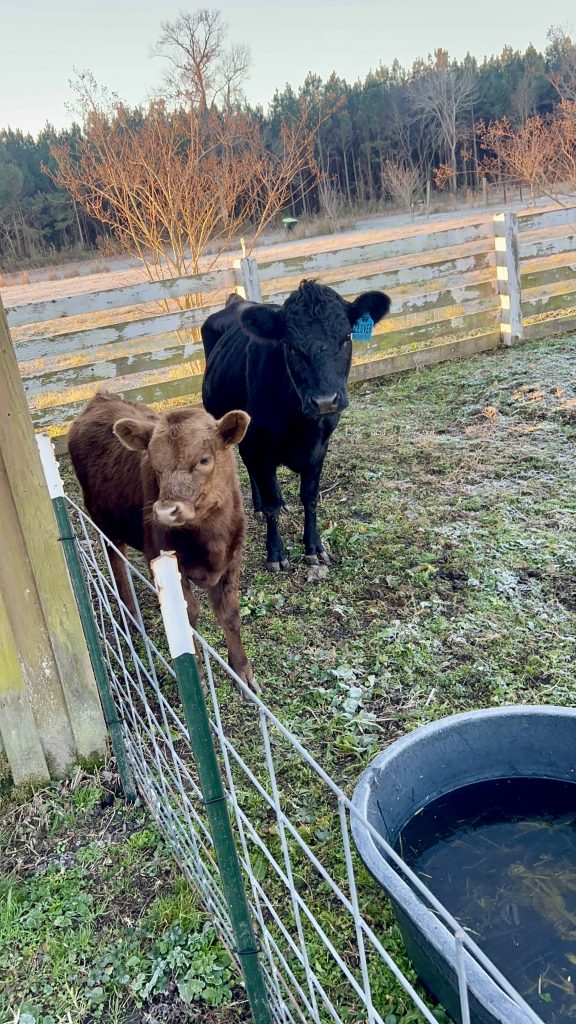
Have you ever planned a trip, researched all the best sights to see and food to eat, booked all the arrangements and then got to your destination and realized that despite all your research and planning you are still grossly underprepared? Or worse, you come home from what was supposed to be your dream vacation and feel like it wasn’t what you hoped for?
Don’t get me wrong. I have a lot of positive things to say too. We were escatic to finally have our first two animals. The exact breed we had been researching for years. But the truth is this:
No matter how much research you do- it will never be a substitute for real life experience.
We didn’t milk the first few week, just let Roy nurse. This was recommended to us to give them (and us) time to get aclimated and build trust.
The time had finally come to milk Clover for the first time. To say I saw my life flash before my eyes would not be an exaggeration.
She did NOT want to be milked. From struggling to get the harness on her, to her not wanting to walk to the barn, to the hooves flying at our faces when we tried to start milking. It was a nightmare.
I had flashbacks to about a week after I opened my first brick and mortar business. Sitting in my office at 25 years old, looking at all of my loans, paying bills and asking myself one question- “Who let me do this? I have no clue what I am doing.”
We called our mentors, got advice and I will say this: it got…. better. Was it everything I hoped and dreamed? No. But then again it’s hard to be enthusiastic when you know your daily task involves tricking an 800 lb animal with some treats and hoping that she shows mercy today.
For several months we continued this. Milking Clover once a day while calf sharing. Despite feeling defeated many days, we also felt a profound gratitude. We were doing it. Living out our dream.
The Full Livestock Picture on Our Working Homestead
While we were so excited to have our Dexters the big picture for us included so much more than just a couple head of cattle. In our first year of being livestock owners we also accumulated a few other things as well.
Chickens
We had chickens in Florida and new they would be an early addition to the homestead. Instead of 4 chickens from the local tractor store this time we decided to branch out a bit more. Last spring we purchased 30 chickens. 15 egg layers and 15 meat birds.
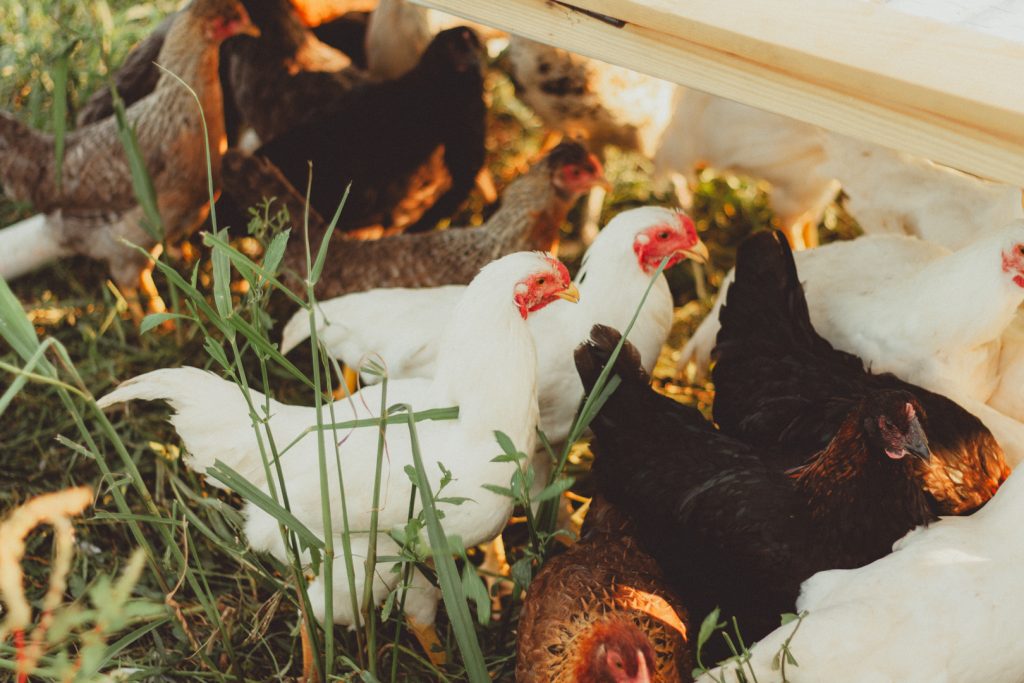
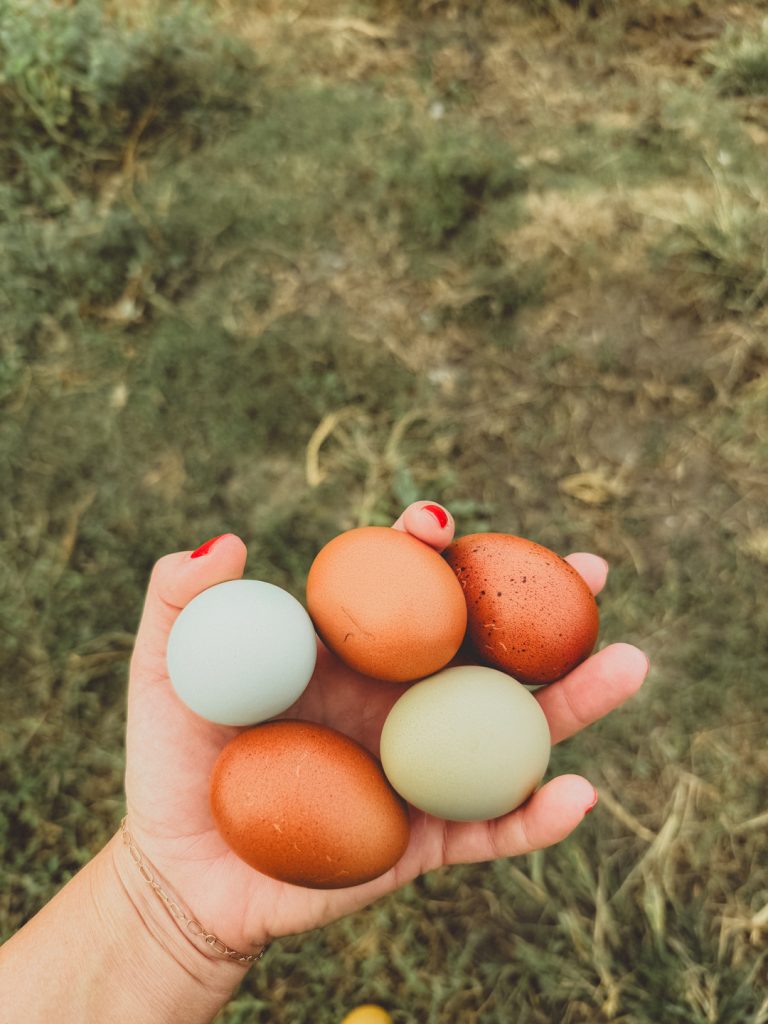
When picking out our egg layers, I’ll be honest, I cared less about egg production and more about having pretty eggs. I’m just a girl. I know have the rainbow eggs of my dreams and zero regrets.
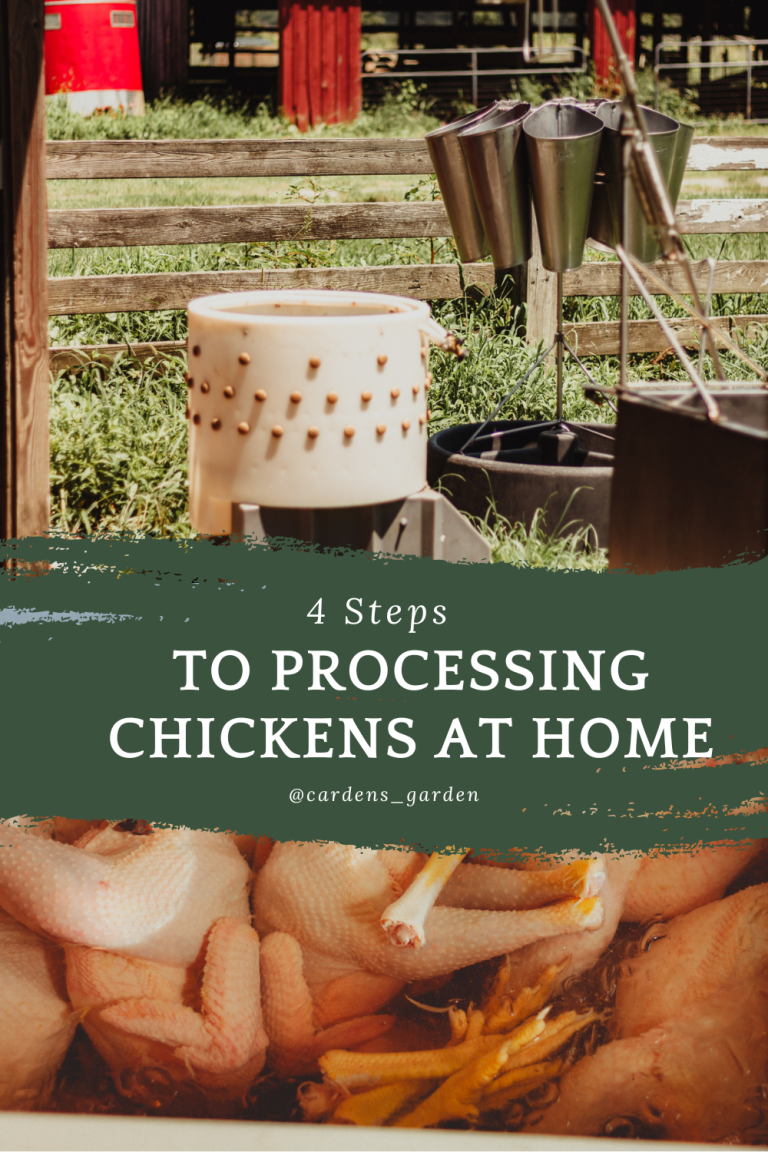
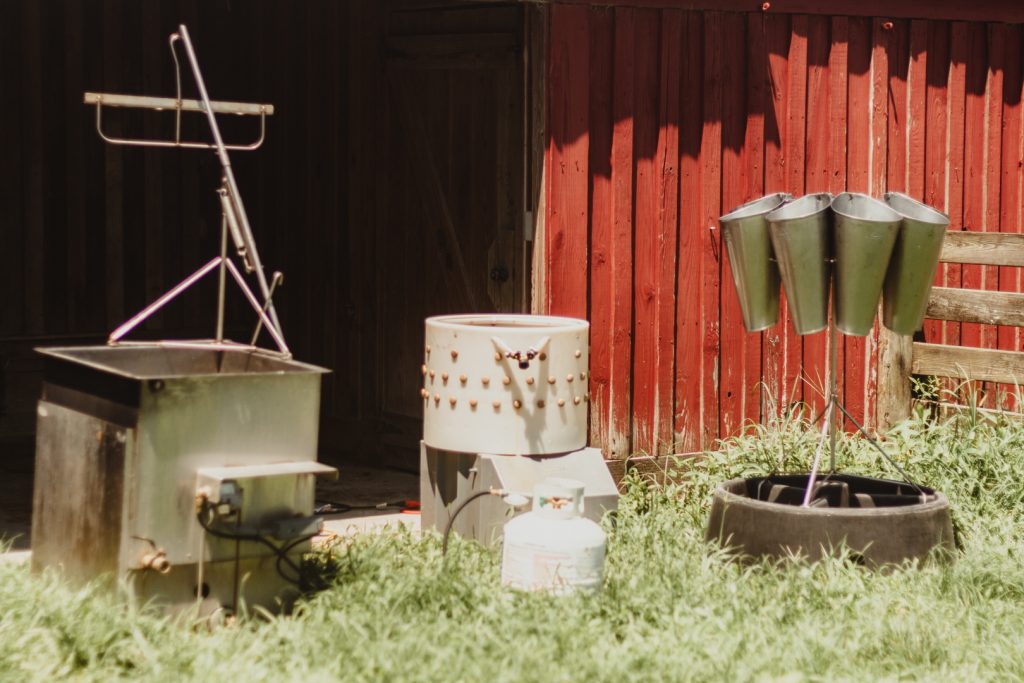
Meat birds were a whole new world for us. While Nick had done some work on a neighboring farm processing birds, I had not, and we had no experience in raising meat birds. We did however, as you may have guessed, watched plenty of YouTube videos on the subject. We raised them organically, on pasture and supplemented with a no corn, no soy feed. Because of that it did take a little longer than what it typically takes to raise meat birds but at 15 weeks we processed our own chickens. It was incredibly rewarding experience.
You can read more about our experience processing our own chickens here.
Goats
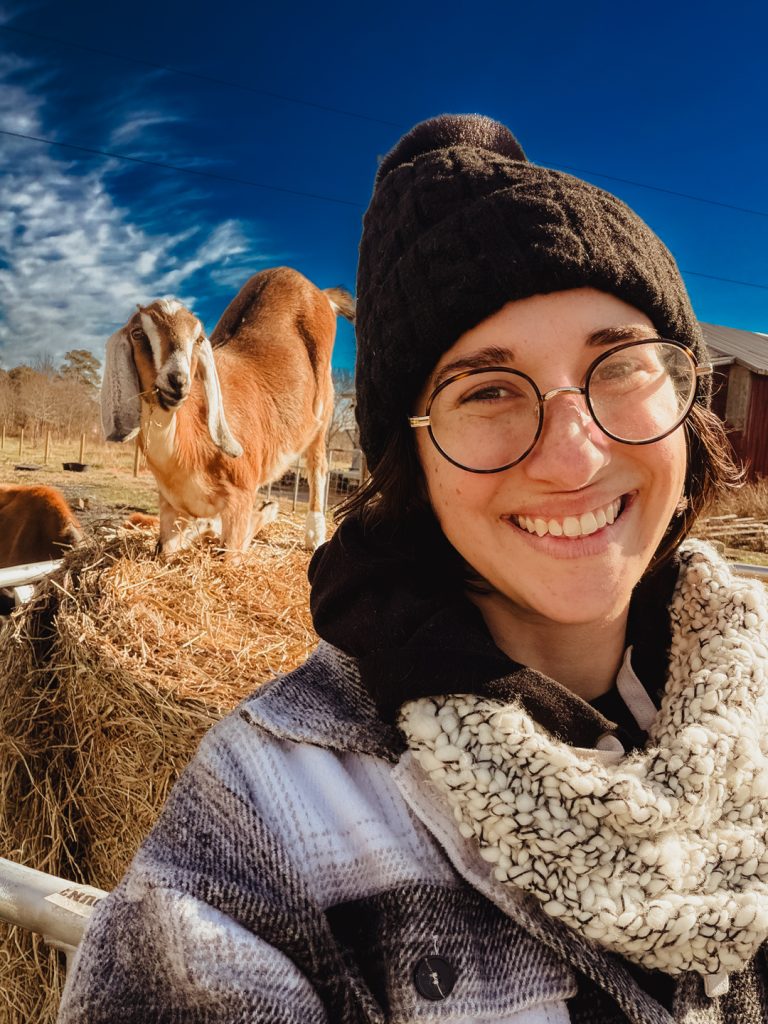
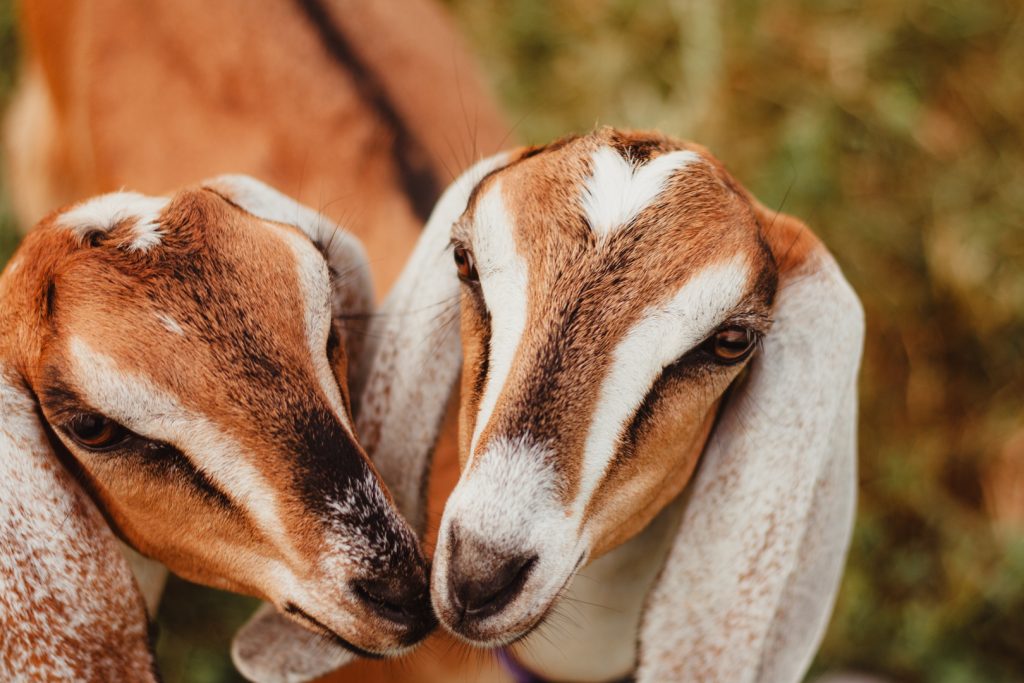
I had my heart set on Mini Nubian goats. They are one part dairy goat and two parts floppy eared adorableness. We purchased two young doe’s with the goal of them eventually being dairy goats to we can make soaps and lotions. We haven’t bred yet as they are still too young but plan to breed this fall.
Turkeys
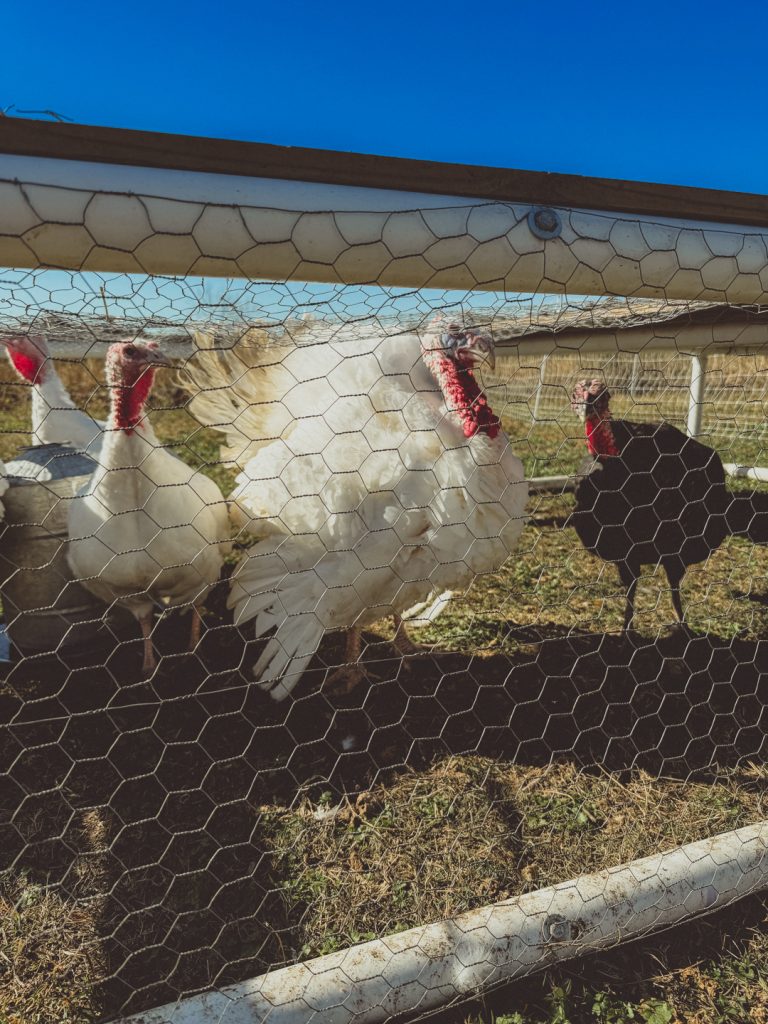
We purchased 15 turkeys with the plan to sell them for thanksgiving. This one came with a big learning curve. Chickens have been so easy for us and we assumed turkeys wouldn’t be that different. While it is typical to lose a few birds we never thought we would lose so many. We ultimately ended up processing 6 birds for Thanksgiving. As I have said before- no research replaces real life experience. Next year we will go into this with a completely different mindset.
Guinea Fowl
AKA- tick patrol. These birds just live their life. Yes they techincally have access to food and water by way of the chickens but we do absolutely nothing for them. They scurry around eating bugs, they roost in the trees and they sound the alarm when anything, and I do mean anything, get even remotely close to them.
Barn kittens
Your daily dose of both cuteness and rodent patrol.
Dave
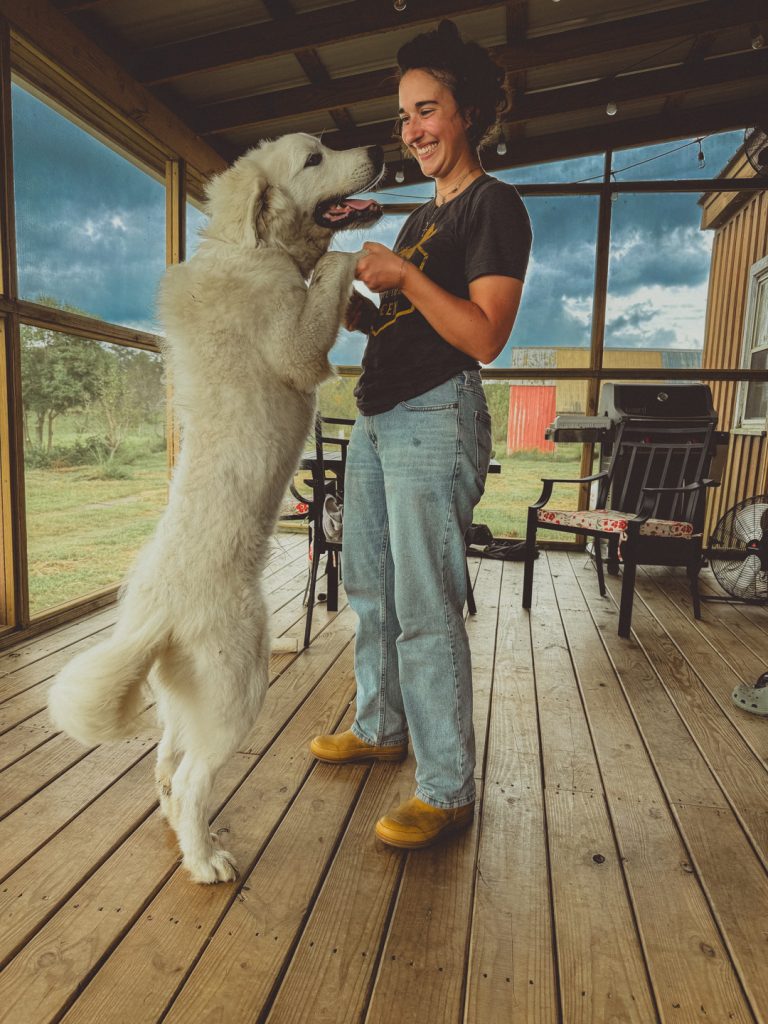
The livestock guardian dog, a great pyrenees. This little guy is still a puppy, just shy of a year old weighing in at about 80lbs so far but he will continue to grow for another year. His job is to protect the chickens and other livestock on the property. While they say instinct kicks in, I wont lie, he’s a bit of a doofus. At least he is handsome.
Sitting here now I am in awe of how far we have come in 12 months. We never set out to grow this quickly but I spend to much time on facebook marketplace and here we are.
The herd keeps growing
Besides Clover having a very strong personality… we came to learn a couple more things.
- If you want to make cheese, yogurt, ice cream etc. you are actually going to use WAY more milk than you realize.
- When you tell people you have a dairy cow a shocking number of people will want to purchase raw milk from you.
We realized that maybe we really could benefit from having a true dairy breed.
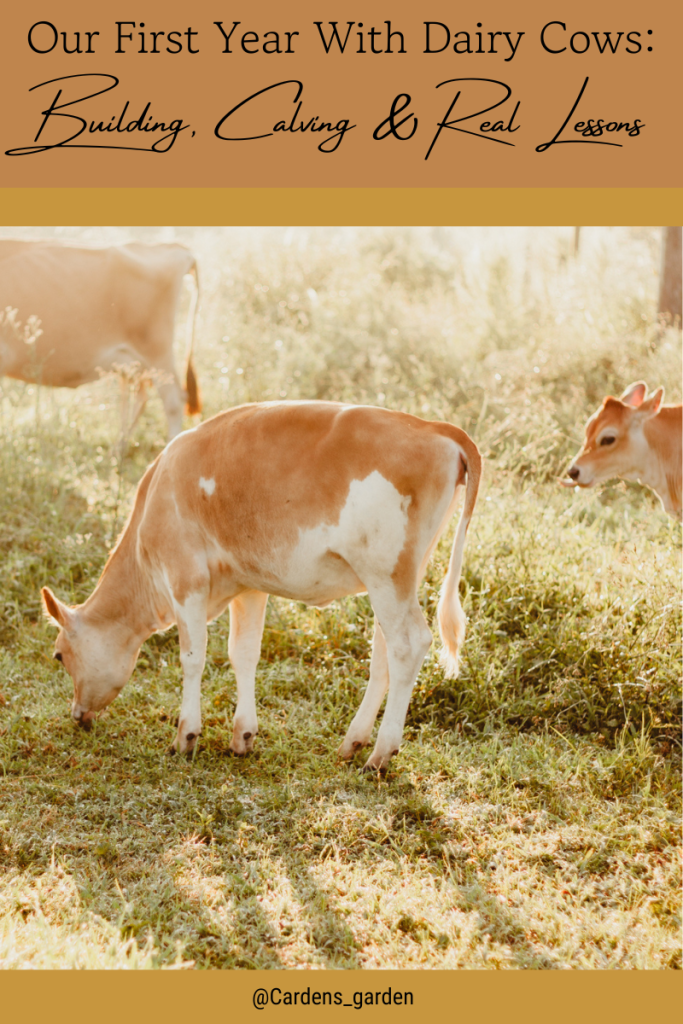
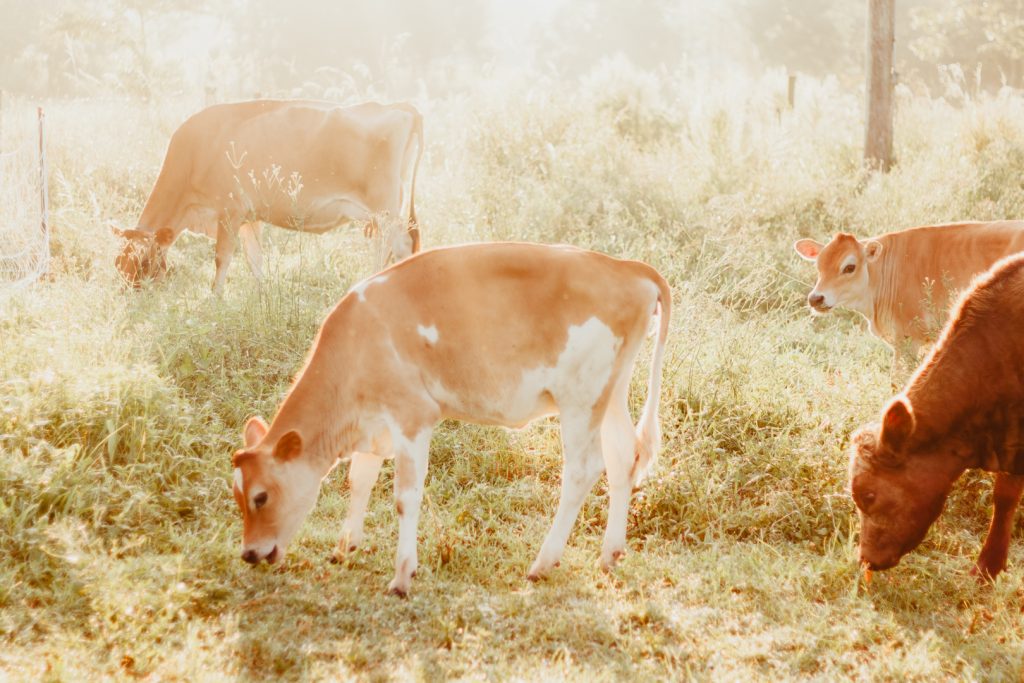
I began keeping my eyes open on FB groups for a Jersey Cow with calf in tow. After a couple months of searching we found what felt perfect. Just a few hours away a mama jersey with two heifer calves; her calf + another calf both nursing. We are big on calf sharing so this was a huge win for us.
What is calf sharing?
Calf sharing is essentially when you are splitting the milking duties with a calf. When calf sharing the calf spends about 12 hrs a day with momma nursing and is then seperated for 12 hours. At the end of that 12 hours of seperation is when we milk. Then momma and baby are reunited so the calf can nurse. This enables SO much more flexibility while owning a dairy cow. If there were days we knew we would be unable to milk, no problem, just leave calf and momma together. Without calf sharing you not only need to milk every single day without fail, many cows require twice a day milking. This is a zero days off arrangement that just doesn’t work for us. So calf sharing is the only way to go on this homestead!
A Lesson Learned from our First Year with Dairy Cows
While Clover may not have been the dairy cow of our dreams, her previous owner was amazing. This situation was a 180.
If something feels too good to be true… It probably is.
We arrived to pick up these three new cows in the absolute pouring rain. Rain like we hadn’t seen since leaving Florida. The husband and wife, and older couple, were very nice however didn’t have all the their paperwork in hand and with the storm coming down around us promised to send it to us.
Upon getting home we realized the cows were not all they we promised. Mom was not polled (naturally without horns) she had in fact, obviously, been dehorned. One of the girls also had something on her head that made me think she may have horns as well. (she thankfully did not). We are still waiting on that paperwork that was promised. They eventually stopped responding to all my messages.
Lessons learned
- Just like the rest of the world, there are shady people in the homesteading world.
- Always get photo’s of agreed upon paper work- registration, health tests, preg checks etc. prior to driving to pick up the animal
- Somethings matter more than paperwork… Here’s what I mean.
I was very upset at first, feeling completely taken advantage of and bamboozled; I was so mad at myself for not asking the right questions, not being thorough enough. I reached out to a mentor and just dumped all of my frustration out and they asked me a question… “But is she a good milk cow?” I was so angry at myself I forgot to stop and look at the big picture. The truth is, is was an excellent milk cow. She milked like a dream. The heifer calves that came with her were the sweetest little girls.
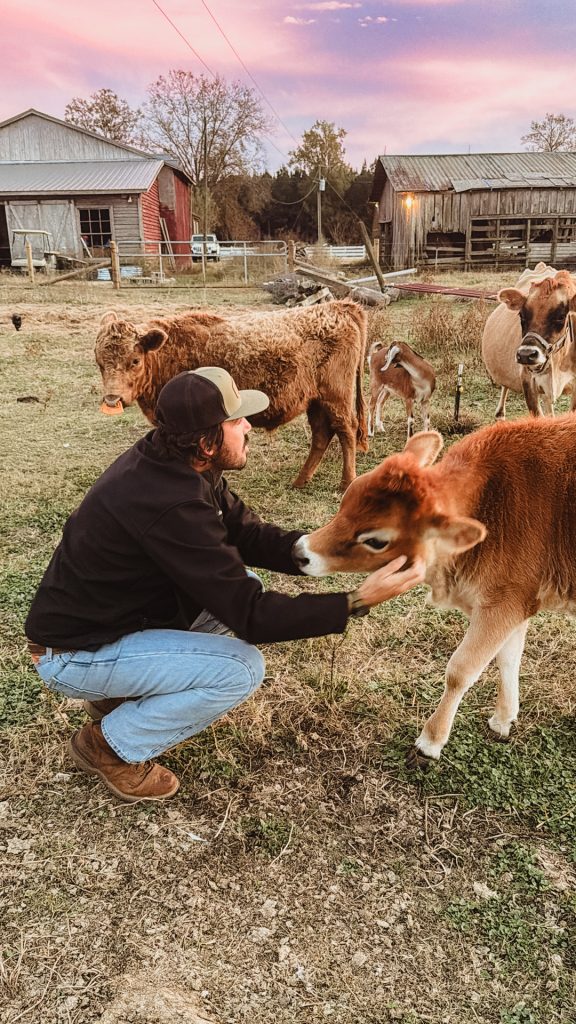
After about a week of milking I told Nick I felt like a woman out of an abusive relationship. With Clover I as constantly on my guard, waiting for the next attack. Mooreen would shift her weight and I would jump and brace myself for the blow, but no, she was just adjusting herself. I had no idea how good it could be!
Calving: The Turning Point in Our First Year With Dairy Cows
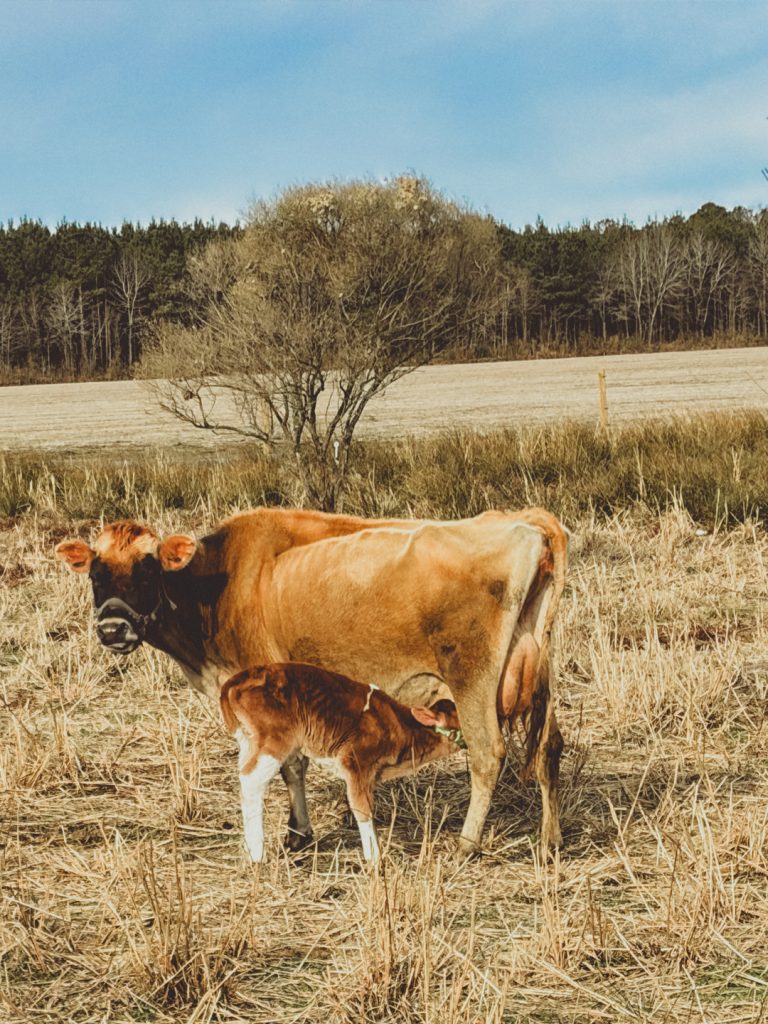
Mooreen is not only an amazing milk cow but a fabulous mother. She is kind, patient giving. And one thing her previous owners didn’t lie about is that she was actually pregnant!
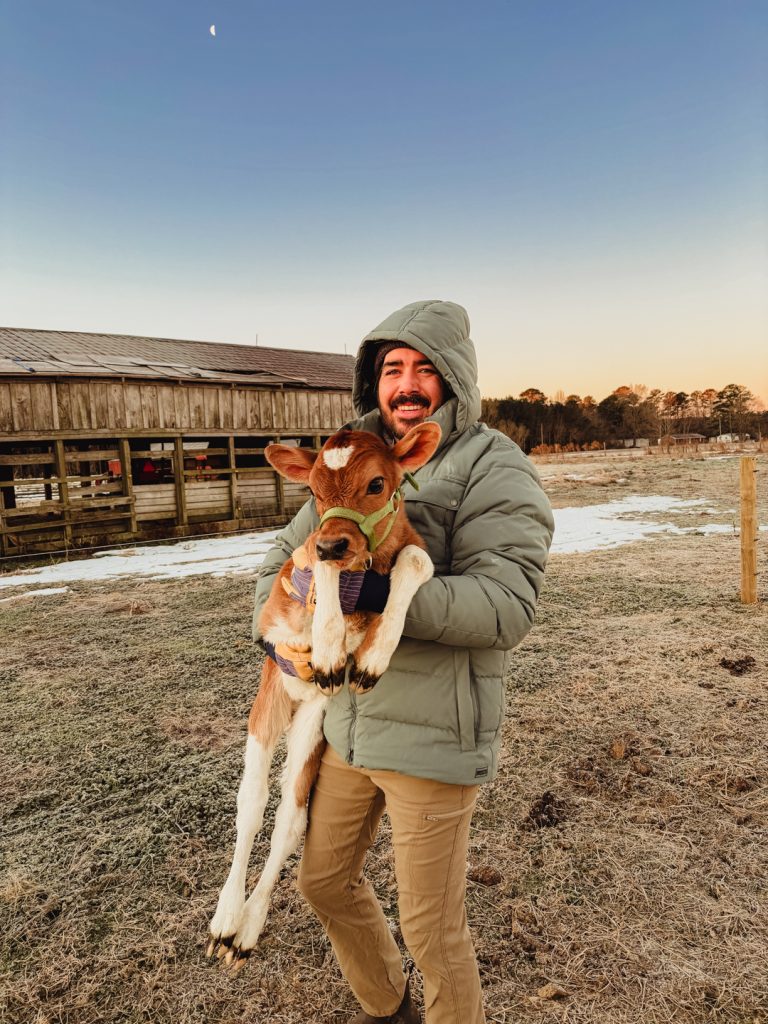
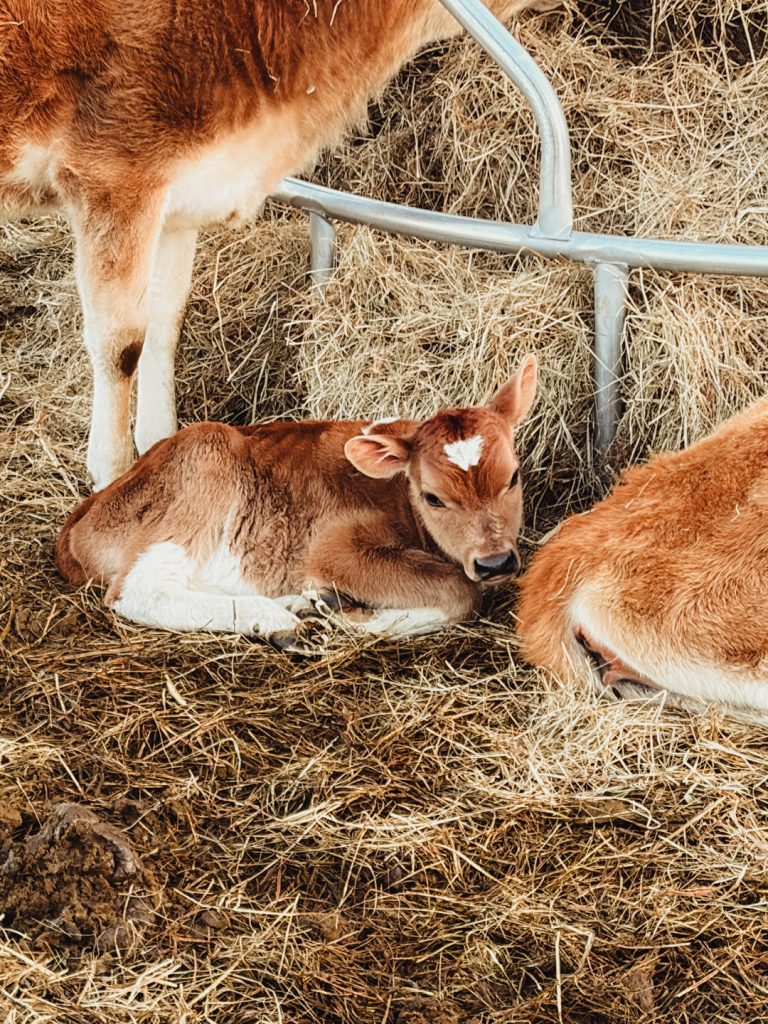
Two weeks ago our sweet girl Mooreen gave birth to a jersey bull! She calved sometime during the day on Friday 2/6/2026. I was out of town the week she gave birth, despite my asking her to wait until I was home. Nick came home from work to find her and baby boy doing great and wandering around the pasture together. She gave birth completely unassisted, just the way mother nature intended.
Carden’s Chaos
This year has been beautiful and we are so incredibly grateful. But it hasn’t been without its share of struggles. By the time we finally brought livestock home, we had no idea how much our first year with dairy cows would stretch us — physically, emotionally, and spiritually.
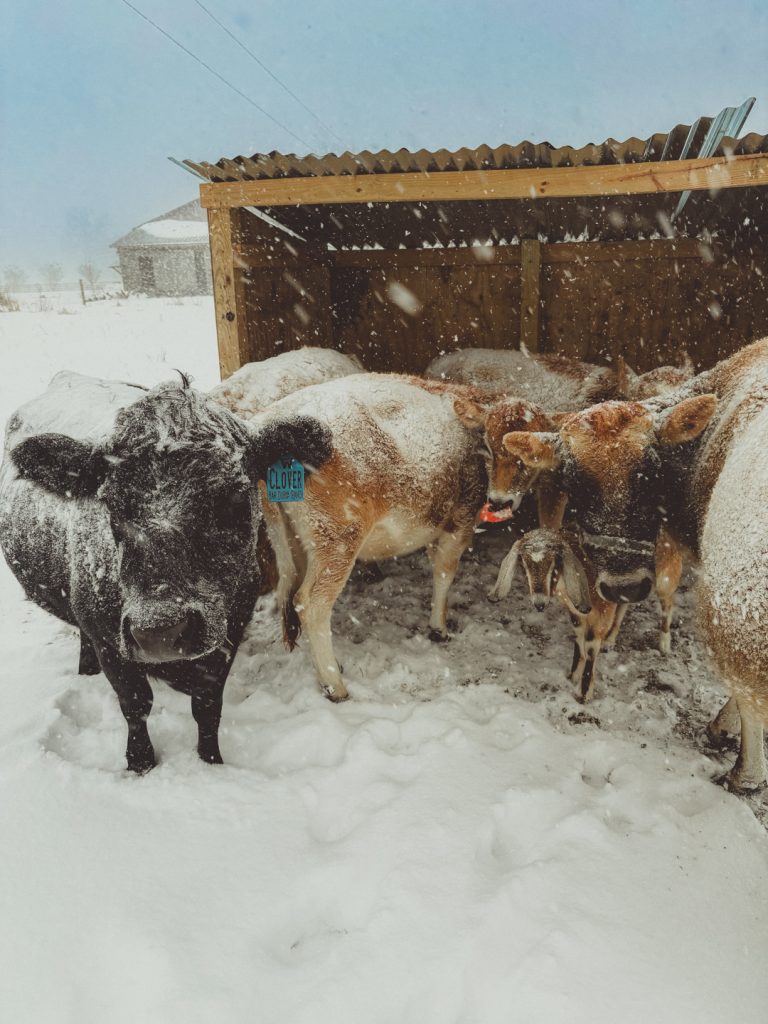
The one weekend Nick and I were out of town together we received a call from a neighbor and mentor telling us the sheriff was at our property and that all 5 of our cows had escaped. Mooreen actually knocking down a road sign and getting herself stuck in a ditch.
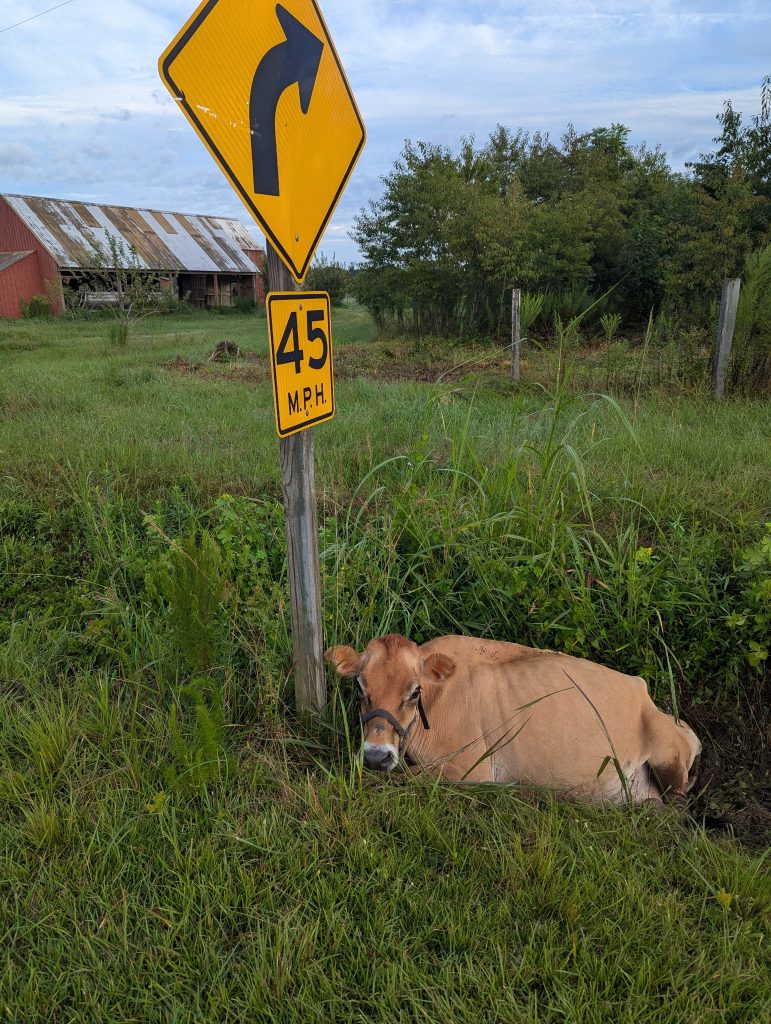
We knew immediately we needed to upgrade our fencing. Something we knew we needed to do but had been avoiding due to the steep price tag.
The Three Most Important Things I Learned
One- Have Mentorship
Having people you can go to to ask questions is invaluable. Yes, books and YouTube is great, FB groups are helpful, but nothing beats being able to call someone up right in the moment and ask for their advice. I believe mentorship is one of the greatest gifts we can be given.
Two- You’ll Make Mistakes
There is no getting around this one. You are going to screw up. On a good day a mistake can cost a couple hours of correction and/or a few dollars. On a bad day a mistake can cost you a life. Over this past year we have made lots of mistakes, thankfully most have been the former. No matter how much research you do, nothing prepares you for every hiccup you’ll face. This life is difficult; but it is also rewarding. Learn from your mistakes, learn to forgive yourself and keep pressing forward.
Three- Trust Your Intuition
This one is going to sound like its cancelling out the first lesson. No matter what you’ve learned, how great your mentors are, nothing replaces your gut intuition. No one knows your animals like you do, no one knows your homestead like you. There is a time and place where you need to listen to your gut. Sometimes you’ll be wrong- insert lesson number two- but sometimes you gotta go for it. The only way to grow is to take a chance and learn to trust yourself.
From dreaming in a suburban kitchen to welcoming calves in our pasture, this first year has shown me that a working homestead isn’t built overnight — it is shaped slowly through faith, mistakes, mentorship, and the daily act of showing up. It isn’t always easy but it is beautiful, even amidst the mess. Most importantly it is so so worth it.